Voltline Electric Scooters Upgrade Parts & Compatibility
Batteries, motors, controllers, brakes, tires, and suspension—what to buy first.
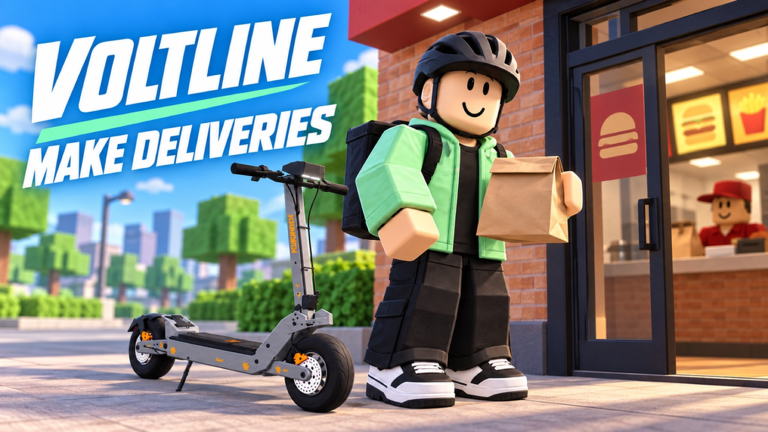
Parts are how Voltline: Electric Scooters turns delivery cash into a personal machine. Official early-testing messaging highlights compatible batteries, motors, controllers, brakes, tires, and suspension. This guide gives a spend order that favors completed food jobs over screenshot top speed, plus compatibility habits that survive EARLY TESTING · DESKTOP balance swings from DILLYDASHER.
Before you shop, make sure the chassis is fully assembled (Assemble Your Scooter) and that you can complete short deliveries (Food Deliveries). Riding feel after upgrades ties back to Desktop Controls. Platform goals belong on the Scooter Tier List.
The six part families
Batteries
Range and confidence. A bigger or healthier pack means more accepts between charge stops and fewer failed jobs. Batteries are the least glamorous upgrade and the highest delivery ROI on the AOVOPRO ES80.
Motors
Acceleration and top-end pull. Exciting, expensive in opportunity cost, and dangerous if brakes and battery lag behind. Fit motors after you can already finish routes.
Controllers
Power delivery brain. Controllers often gate how hard a motor can pull and how clean throttle feels. Treat controller + motor as a pair when the shop labels them compatible.
Brakes
Stopping power and safety margin. Every motor tick should trigger a brake audit. Weak brakes turn G4 energy into collision reports.
Tires
Grip, wear fantasy, and comfort over imperfect early-testing roads. Better tires reduce slide surprises when you carry speed into drops.
Suspension
Stability and camera readability on rough geometry. Suspension will not replace battery management, but it makes long courier sessions less punishing.
Recommended upgrade order
Use this sequence unless a patch clearly changes economy:
- Battery first — extend workable delivery chains on your current scooter.
- Brakes second — prepare for the speed you are about to buy.
- Tires third — stabilize mid-corner and wet-looking surfaces if present.
- Controller + motor fourth — only as a matched compatible set.
- Suspension fifth — comfort and control once the powertrain is honest.
- Cosmetic / flex last — after the loop prints cash reliably.
Skipping to motors because a Dualtron clip looked fast is how ES80 riders strand themselves across unfinished blocks.
Compatibility rules of thumb
Early testing means exact matrices can change. Survive that with process:
- Read the shop compatibility tag for your active scooter (ES80 vs VSETT 9+ vs KuKirin G4).
- Do not assume an ES80 battery mounts cleanly on a G4 without checking.
- When a part refuses to equip, stop force-buying alternatives—reopen garage, confirm chassis, retry once.
- Keep screenshots or mental notes of what fitted; patches may reset stock, so verify after Updates.
- If community lists disagree, trust what equips on your client today.
Joyor T10 teases and Dualtron X Limited clips may use different part pools—confirm in-shop before grinding currency for the wrong pack.
Builds by goal
Courier earner (recommended default)
Battery → brakes → tires → modest controller/motor → suspension. Optimize for accepts per charge and clean hand-offs. This build funds the next chassis from Getting Started goals.
Speed flex
Brakes and tires before the big motor. Controller must match. Battery still needs enough buffer to reach a charger after a glory pull. Practice new throttle on an empty lot (Desktop Controls).
Comfort grinder
Suspension and tires earlier if rough roads tire you out, but never before a trustworthy pack. Long sessions still die to empty batteries first.
Climbing the scooter ladder
Sometimes the correct “upgrade” is not a part—it is unboxing a VSETT 9+ or KuKirin G4. Compare part sinks vs new chassis cost using live prices and the Scooter Tier List. A fresh mid scooter with stock-but-complete assembly can beat a maxed, brittle ES80.
Shopping via the phone Market
Open Market on the phone (M) beside Vault Dash, navigation, and Garage (Phone Apps):
- Shop while charged and parked.
- Expect some full scooters in the multi-thousand range—community examples near $4,900—so fund purchases with Vault Dash streaks (Make Money Fast).
- Buy one category at a time; remount and test before the next purchase.
- After equipping, do the shakedown: crawl, brake, turn, cruise, stop.
- Return to Vault Dash only when the scooter feels intentional, not experimental.
Condition and maintenance
Scooters wear as you ride. Check condition from vehicle management apps and service or replace parts before a long courier block. A cheap maintenance spend protects hourly earnings better than limping through failed ~$450 orders.
Economy discipline
- Bank a buffer of cash for emergency charge-time, repairs, and retries—do not zero out on a speculative motor.
- Check Codes during testing for temporary rewards, but do not depend on them.
- Ignore Scripts as a progression plan; account risk is not an upgrade path.
- Watch Players and visit counts (~2.4M visits, ~12k favorites) as culture context, not as pressure to mirror every flex build.
Diagnosing bad upgrade choices
- More speed, more crashes — brakes and tires underleveled.
- Same routes, earlier empty — motor draw rose without battery support.
- Part unequippable — wrong chassis compatibility; refund path may vary in early testing.
- Feels worse after suspension — unfinished physics; remount and retest before another buy.
- Garage shows old stats — UI lag; rejoin and confirm before spending again.
Suggested milestones
- ES80 stock complete + battery upgrade + reliable short deliveries.
- Brakes/tires comfortable at your real cruise speed.
- Save toward VSETT 9+ or G4 unbox rather than forcing ES80 to infinity.
- On the new chassis, repeat battery → brakes before copying old motor habits.
- Only then chase community flex parts inspired by Dualtron clips.
Related reading
- Guides Hub — full index
- Getting Started — earn your first upgrade cash
- Assemble Your Scooter — kits before parts
- Make Money Fast — Vault Dash paycheck
- Phone Apps — Market and charge controls
- Food Deliveries — income loop
- Desktop Controls — relearn handling after power spikes
- Tier List · Scooters · Updates · Wiki
Upgrade like a courier, not like a highlight reel. In Voltline early testing, the best part is the one that lets you finish the next order and make it back to the charger.
Frequently Asked Questions
Quick answers for Voltline riders.
What part should I upgrade first in Voltline?
Battery. Extra range protects food delivery income. Fit brakes before big motors so new speed stays controllable.
Do all parts fit every scooter?
No. Use the shop compatibility cues for your active chassis—ES80, VSETT 9+, KuKirin G4, and any limited decks may differ.
Should I max the ES80 or buy VSETT 9+ / KuKirin G4?
After a solid battery and brake on the ES80, saving for the next unbox is often better than forcing endless starter parts. Compare live prices and tier notes.
Why upgrade brakes before motors?
Motors raise speed and crash cost. Brakes restore stopping margin so deliveries and other players stay safe in small early-testing servers.
A part will not equip. What should I do?
Confirm the active scooter in the garage, reread compatibility, retry once, then avoid spam-buying substitutes. Report persistent bugs with the scooter name.